
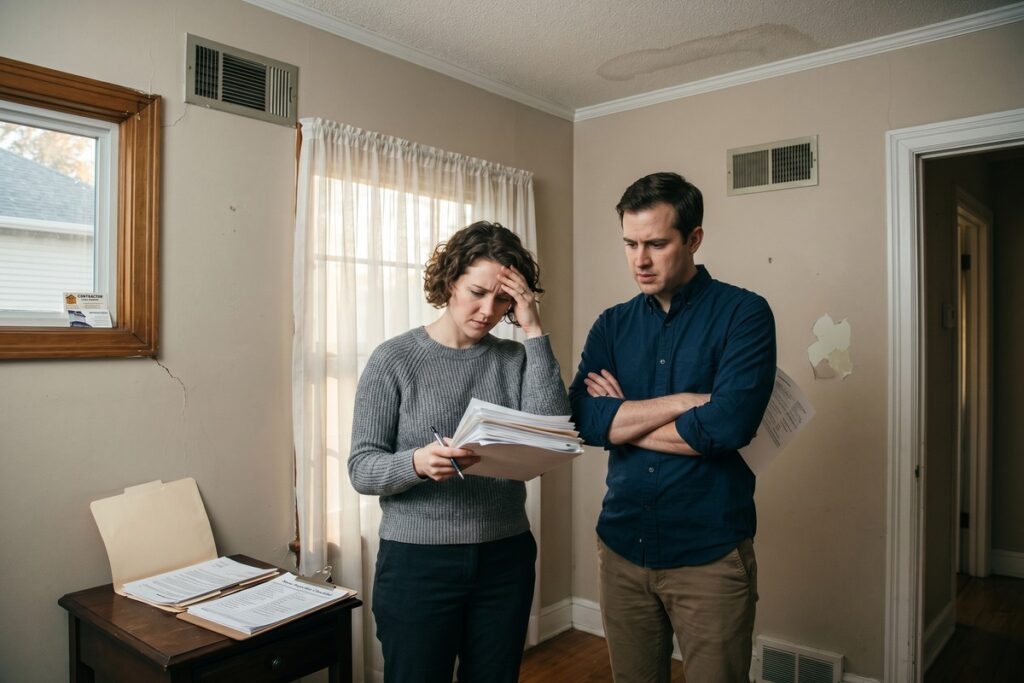
Quick Answer
The hidden costs buying home first-timers miss can add 2%–5% of the purchase price on top of the down payment — often totaling $10,000–$30,000 or more in surprise expenses. As of July 2025, buyers should budget for closing costs, inspections, HOA fees, PMI, property taxes, and ongoing maintenance before signing anything.
Understanding the hidden costs of buying a home is the single most important financial step you can take before making an offer. According to the Consumer Financial Protection Bureau, closing costs alone typically run between 2% and 5% of the loan amount — meaning on a $350,000 home, you could owe an extra $7,000 to $17,500 before you even turn the key. In July 2025, with home prices still elevated in most markets, failing to account for these expenses can derail a purchase entirely.
First-time buyers are especially vulnerable. Most focus on saving for a down payment and qualifying for a mortgage, but the line items that follow — private mortgage insurance, escrow deposits, utility setup fees, and the first year of maintenance — catch thousands of buyers off guard every year. A 2023 survey by Bankrate found that nearly 44% of homeowners said they were surprised by the cost of homeownership after closing.
This guide is written for first-time buyers who want a clear, step-by-step breakdown of every cost they are likely to face — before, during, and after closing. By the end, you will know exactly what to budget for and how to avoid the financial shock that derails so many new homeowners.
Key Takeaways
- Closing costs average 2%–5% of the loan amount, adding thousands to what buyers must bring to the table, according to the CFPB.
- Private mortgage insurance (PMI) costs 0.5%–1.5% of the loan annually for buyers who put down less than 20%, based on Urban Institute research.
- The typical home inspection costs between $300 and $500, but specialty inspections for radon, mold, or sewer lines can add another $100–$400 each, per HouseLogic.
- Homeowners spend an average of 1%–2% of their home’s value per year on maintenance and repairs, meaning a $300,000 home costs $3,000–$6,000 annually just to maintain, according to Bankrate.
- Property tax rates vary widely, but the Tax Policy Center reports that the average effective property tax rate in the U.S. is 1.1% — or about $3,300 per year on a $300,000 home.
- HOA fees average $200–$300 per month nationally and can rise annually, according to NeighborhoodLink, adding up to $2,400–$3,600 per year on top of the mortgage.
In This Guide
- What closing costs do first-time buyers actually pay?
- How much should I budget for home inspections and due diligence?
- What is PMI and how much does it add to my monthly payment?
- How do property taxes and homeowners insurance affect my real monthly cost?
- What HOA fees and community costs should I watch out for?
- What immediate costs hit right after closing that buyers forget about?
- How much should I budget for home maintenance and repairs each year?
- Frequently Asked Questions
Step 1: What Closing Costs Do First-Time Buyers Actually Pay?
Closing costs are the collection of lender fees, third-party service charges, and government taxes due at the moment you finalize the mortgage. On a $350,000 purchase, buyers should expect to pay between $7,000 and $17,500 in closing costs alone, separate from the down payment.
How to Do This
Request a Loan Estimate from your lender within three business days of application — federal law requires this under the CFPB’s TILA-RESPA Integrated Disclosure (TRID) rules. This document lists every anticipated closing cost line by line, giving you a clear target to budget toward. Common line items include:
- Origination fee: Typically 0.5%–1% of the loan amount, charged by the lender for processing
- Appraisal fee: Usually $300–$600, required by lenders to confirm the home’s value
- Title search and title insurance: Ranges from $700–$1,500 depending on the state
- Attorney or escrow fees: Varies by state — some require real estate attorneys at closing
- Prepaid interest: You pay interest on the loan from your closing date through end of month
- Recording fees: Government charges to register the deed, typically $50–$250
What to Watch Out For
Some lenders advertise “no closing cost” loans. These are not free — the costs are either rolled into the loan balance or embedded in a higher interest rate. Over a 30-year mortgage, a rate increase of just 0.25% can cost you thousands more than paying upfront. Always compare the full cost, not just the monthly payment.
Closing costs are negotiable. Ask the seller to contribute a “seller concession” toward your closing costs. In a buyer’s market, sellers will often cover 1%–3% of these expenses — potentially saving you thousands on signing day.
Step 2: How Much Should I Budget for Home Inspections and Due Diligence?
A general home inspection costs between $300 and $500 for most single-family homes, but first-time buyers routinely underestimate the full scope of due diligence costs. Depending on the property, your total inspection spend could reach $1,000 or more.
How to Do This
Hire a certified inspector from the International Association of Certified Home Inspectors (InterNACHI) or the American Society of Home Inspectors (ASHI). Beyond the general inspection, budget separately for these specialty assessments if the property warrants them:
- Radon test: $100–$200
- Mold inspection: $200–$600 depending on scope
- Sewer scope: $150–$350 for older homes
- Roof inspection: $75–$200, especially critical for homes over 15 years old
- Pest/termite inspection: $75–$150, often required by lenders in certain states
What to Watch Out For
If your offer falls through after inspections, you lose the money spent on those reports — it is not refundable. Some buyers skip specialty inspections to save money upfront, only to discover a major issue after closing. A $250 sewer scope can save you from a $5,000–$15,000 repair down the road.
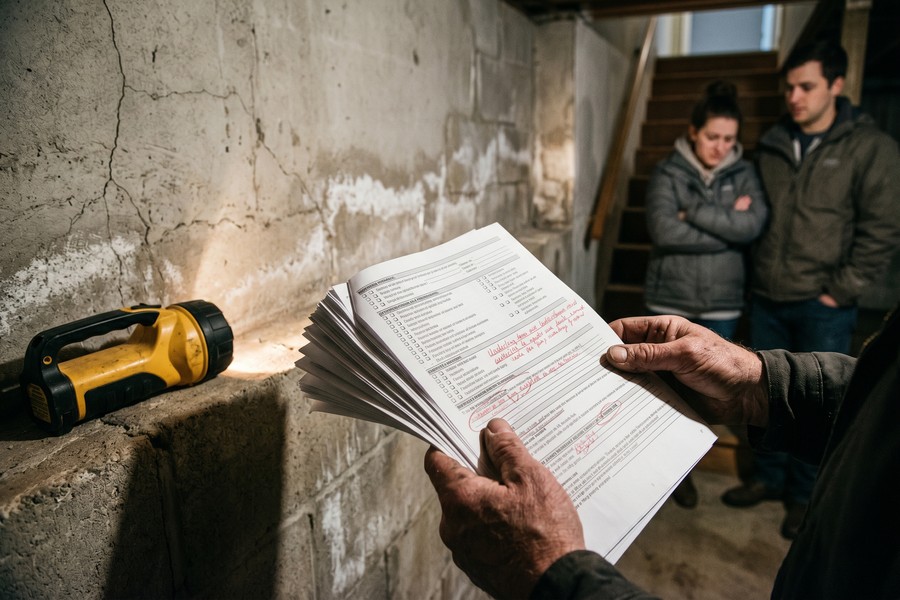
Never waive the home inspection contingency to win a bidding war without fully understanding the risk. In competitive markets, some buyers skip inspections entirely — but this leaves you legally obligated to purchase a home with potentially catastrophic hidden defects.
Step 3: What Is PMI and How Much Does It Add to My Monthly Payment?
Private mortgage insurance (PMI) is required by most conventional lenders when your down payment is less than 20% of the home’s purchase price. PMI costs between 0.5% and 1.5% of the loan amount annually, which translates to roughly $83–$250 per month on a $200,000 loan — money that protects the lender, not you.
How to Do This
Calculate your expected PMI cost using your loan amount and credit score. Buyers with higher credit scores pay lower PMI rates. You can request PMI cancellation once your loan balance drops to 80% of the original home value under the Homeowners Protection Act — your lender is legally required to cancel it automatically at 78%. Options for avoiding PMI include:
- Saving a full 20% down payment before buying
- Using a piggyback loan (80-10-10 structure) — a second mortgage covers 10%, reducing the first loan below 80%
- Applying for an FHA loan, which has its own mortgage insurance premium (MIP) but different cancellation rules
- Exploring lender-paid PMI programs, where the rate is built into a slightly higher interest rate
“First-time buyers often don’t realize that PMI can cost them hundreds of dollars a month for years. On a $300,000 loan with a 5% down payment, a buyer could pay over $12,000 in PMI before reaching 20% equity — money that builds no ownership stake whatsoever.”
What to Watch Out For
FHA mortgage insurance premiums (MIP) work differently from conventional PMI. For FHA loans with less than 10% down, MIP now lasts for the life of the loan — you cannot cancel it without refinancing. Factor this into your long-term cost comparison when choosing between loan types.
| Hidden Cost Category | Typical Range | When You Pay It |
|---|---|---|
| Closing Costs | 2%–5% of loan amount ($7,000–$17,500 on $350K) | At closing |
| Home Inspection | $300–$1,200 total with specialty tests | During due diligence |
| PMI (Conventional) | $83–$250/month ($1,000–$3,000/year) | Monthly until 80% LTV |
| Property Taxes | Avg. 1.1% of home value ($3,300/year on $300K) | Monthly via escrow or semi-annually |
| Homeowners Insurance | $1,200–$2,000/year national average | Monthly via escrow |
| HOA Fees | $200–$300/month ($2,400–$3,600/year) | Monthly or quarterly |
| Annual Maintenance | 1%–2% of home value ($3,000–$6,000/year on $300K) | Ongoing throughout year |
| Move-In Costs | $2,000–$5,000+ (movers, repairs, appliances) | Immediately after closing |
A first-time buyer purchasing a $350,000 home with a 5% down payment could face over $45,000 in total first-year costs when you combine the down payment, closing costs, PMI, property taxes, insurance, and immediate move-in expenses — before a single mortgage payment counts toward principal.
Step 4: How Do Property Taxes and Homeowners Insurance Affect My Real Monthly Cost?
Property taxes and homeowners insurance are usually collected monthly through your escrow account, making them invisible line items that quietly inflate your actual monthly housing payment well beyond the principal and interest. Together, they can add $400–$700 per month to what a mortgage calculator shows you.
How to Do This
Look up the property’s current tax bill before making an offer. County assessor websites publish tax records publicly. Keep in mind that after you purchase, the county may reassess the home at the sale price, which often results in a higher tax bill the following year. For insurance, get at least three quotes from carriers before closing — your lender requires proof of insurance at closing, and rates vary widely by location, coverage, and home features.
The national average for homeowners insurance is approximately $1,428 per year, according to data from the Insurance Information Institute. However, homes in flood zones, hurricane-prone areas, or states like Florida, Louisiana, and Texas can cost significantly more. Flood insurance — required in designated flood zones — is a separate policy averaging over $700 per year through the National Flood Insurance Program.
What to Watch Out For
Buyers often use the seller’s current property tax bill to estimate their costs. This is a mistake. A tax bill based on a purchase price from ten years ago will not reflect what you will owe after reassessment. Always call the local county assessor’s office to ask how your purchase price will affect the annual tax bill.
Your lender will collect 2–3 months of property tax and insurance payments upfront at closing to fund your escrow account. This “escrow prepaid” is separate from your closing costs and can add another $1,500–$3,000 to your closing day cash requirement.
Step 5: What HOA Fees and Community Costs Should I Watch Out For?
If the home you are buying sits within a planned community, condominium complex, or certain subdivisions, you will likely owe HOA (Homeowners Association) fees. These fees average $200–$300 per month nationally but can exceed $1,000 per month in luxury or high-amenity developments.
How to Do This
Request the full HOA disclosure package before making an offer. This package — which sellers are typically required to provide — should include the current monthly dues, the reserve fund balance, any pending special assessments, and the HOA’s financial statements. Pay close attention to the reserve fund: if it is underfunded, the HOA may levy a special assessment — a one-time charge to all owners — to cover major repairs like roof replacement or parking lot resurfacing. These can run $1,000–$10,000 or more per unit.
What to Watch Out For
HOA fees are not fixed. Many associations raise dues annually, and HOA rules can restrict rentals, renovations, and even the color you can paint your front door. Violations can result in fines. Read the CC&Rs (Covenants, Conditions, and Restrictions) in full before committing to a purchase in an HOA community.
Step 6: What Immediate Costs Hit Right After Closing That Buyers Forget About?
The moment you take ownership, a wave of immediate expenses begins — most of which buyers fail to budget for because they are focused entirely on closing. Plan to spend between $2,000 and $5,000 in the first 30 days alone on items unrelated to your mortgage payment.
How to Do This
Create a separate “move-in budget” before closing. Common immediate expenses include:
- Moving costs: A local professional move averages $1,000–$2,500; long-distance moves can exceed $5,000
- Utility setup and deposits: Electric, gas, water, internet — budget for connection fees and potential deposits if you lack established credit in the area
- Appliances: Many homes are sold without a refrigerator, washer, or dryer — each can cost $600–$1,500
- Locks and security: Rekeying or replacing locks costs $150–$400 and is always recommended
- Immediate repairs: Items the inspection flagged that you agreed to handle post-close
- Window treatments: Blinds, curtains, and rods for a whole house run $500–$2,000
What to Watch Out For
Buyers who drain every dollar getting to closing have nothing left for move-in costs. Lenders look at your cash reserves, and some programs require you to have a certain amount remaining after closing. Do not let your account hit zero on closing day — it creates a financial emergency before you even sleep one night in your home.
Schedule closing at the end of the month. Since prepaid interest covers the days from your closing date through the end of the month, closing on the 28th instead of the 2nd means you pay only a few days of interest upfront — freeing up cash you can use for move-in expenses.
If you are also managing other debt obligations as you prepare for homeownership, it is worth reviewing how your other financial commitments affect your buying power. Our guide on whether to pay off debt or build an emergency fund first walks through exactly how to prioritize before a major purchase like this.
Step 7: How Much Should I Budget for Home Maintenance and Repairs Each Year?
Ongoing maintenance is the hidden cost of buying a home that never goes away. Financial planners universally recommend budgeting 1%–2% of your home’s value per year for maintenance and repairs — meaning a $350,000 home should have $3,500–$7,000 set aside annually just to keep it functioning.
How to Do This
Open a dedicated home maintenance savings account and automate monthly transfers. Use the 1% rule as your baseline, but adjust upward for older homes or properties with complex systems. Major expense categories to plan for include:
- HVAC servicing and replacement: Annual servicing runs $100–$200; full replacement costs $5,000–$12,000
- Roof: Average lifespan of 20–25 years; replacement costs $8,000–$20,000
- Water heater: Lifespan of 10–15 years; replacement runs $1,000–$3,500
- Plumbing and electrical repairs: Budget $500–$1,500 per year for minor issues
- Landscaping and exterior: Lawn care, gutter cleaning, driveway sealing — $500–$2,000 annually
“New homeowners consistently underestimate what it costs to keep a home running. We tell every buyer: the mortgage is the floor of your housing costs, not the ceiling. Maintenance, insurance, and taxes are not optional — they are as non-negotiable as rent ever was.”
What to Watch Out For
Deferred maintenance compounds quickly. Skipping a $300 roof inspection one year can lead to a $15,000 structural repair three years later. Budget for preventive maintenance consistently — it is always cheaper than emergency repair. This is especially important in the first few years of ownership when savings may be depleted from the purchase itself.
Understanding how to build a realistic budget is essential for any new homeowner. Our advanced budgeting strategies guide covers exactly how to allocate for variable, irregular expenses like home repairs without destabilizing your monthly finances.
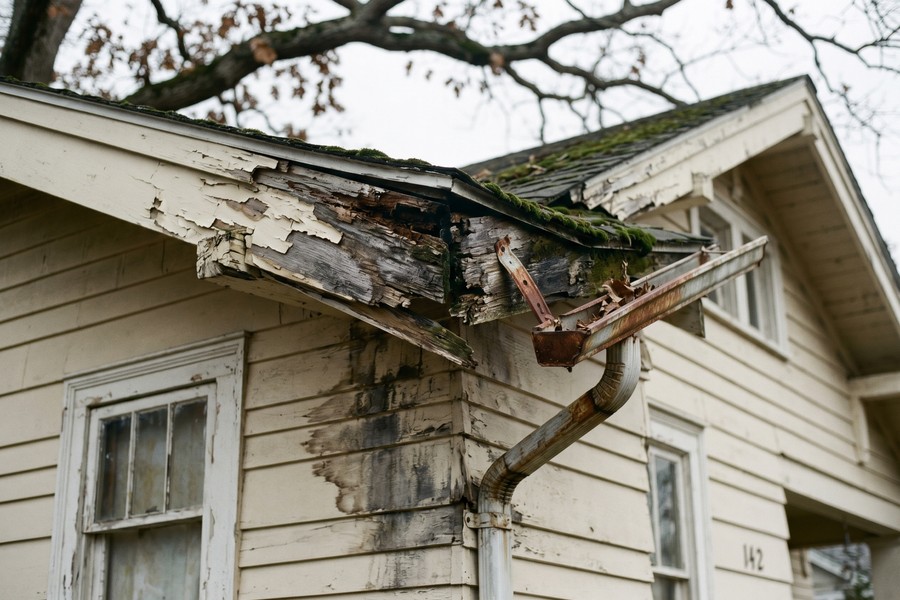
According to Bankrate’s 2023 homeownership cost survey, the average American homeowner spends $17,459 per year on homeownership costs beyond the mortgage — including maintenance, taxes, insurance, and utilities. That is nearly $1,455 per month in non-mortgage costs.
It is also worth noting that your mortgage type affects how much cash you need long-term. Buyers who take out larger loans to preserve cash for move-in costs may find themselves paying more overall. Understanding how loan length changes your total cost can help you find the right balance between short-term cash and long-term payments.
Finally, before any large financial commitment, ensure your credit is in strong shape. The hidden costs buying home process surfaces can be partly offset by qualifying for lower interest rates — and that starts with your credit profile. Our beginner’s guide on how to read a credit report for the first time is a practical starting point.
Frequently Asked Questions
How much cash do I actually need beyond the down payment to buy a home?
Beyond the down payment, most first-time buyers need an additional 3%–7% of the purchase price in cash to cover closing costs, prepaid escrow amounts, inspection fees, and immediate move-in expenses. On a $300,000 home, that means having $9,000–$21,000 available on top of whatever you put down. Always get a Loan Estimate from your lender early to see a line-by-line breakdown.
Can I roll closing costs into my mortgage to avoid paying them upfront?
Yes, in some cases — but it costs you more over time. Rolling closing costs into the loan increases your balance and the total interest you pay over the life of the mortgage. Some loan programs, like VA loans, allow sellers to cover certain closing costs, and lender-credit options exist that absorb costs in exchange for a slightly higher rate. Compare the long-term cost of each option before deciding.
What is PMI and when can I stop paying it?
PMI (Private Mortgage Insurance) is a monthly fee required by conventional lenders when your down payment is less than 20%. You can request cancellation once you reach 80% loan-to-value (LTV), and lenders must cancel it automatically at 78% LTV under the Homeowners Protection Act. FHA loans use a different mortgage insurance premium that may last the entire loan term if your down payment was under 10%.
Are HOA fees always included in the mortgage payment a lender calculates?
HOA fees are included in the debt-to-income (DTI) ratio your lender calculates when qualifying you, which means they reduce how much mortgage you can afford. However, they are typically paid directly to the HOA — not through your mortgage servicer. Failing to account for HOA dues in your budget is one of the most common hidden costs buying home scenarios that leaves buyers short each month.
How do I find out what the property taxes will be after I buy a home?
Call the local county assessor’s office and ask how a new sale at your purchase price would affect the annual property tax bill. Many counties reassess at the sale price, which can substantially increase taxes over what the current owner pays. You can also use each state’s property tax estimator tools — most county assessor websites publish these for free.
What first-time homebuyer programs can help offset these hidden costs?
Numerous programs exist at the federal, state, and local level. The HUD-approved housing counseling agencies can connect you with down payment assistance grants, closing cost assistance programs, and reduced-rate mortgage products specific to your state. Many programs require completion of a homebuyer education course. Programs like FHA loans, USDA loans, and VA loans also reduce upfront requirements for eligible buyers.
Should I buy a home with less than 20% down or wait to save more?
Waiting to reach 20% down eliminates PMI but delays ownership — and in rising markets, home prices may outpace your savings rate. The right answer depends on your local market, income stability, and how long it would realistically take you to save. Run the numbers both ways using a total-cost-of-ownership model that includes PMI, potential appreciation, and opportunity cost. Our post on paying off debt early versus investing applies similar math that can help frame this decision.
What happens if the home appraises for less than the purchase price?
If the appraisal comes in below the agreed purchase price, your lender will only finance up to the appraised value. You would need to either renegotiate the price with the seller, pay the difference in cash out of pocket, or walk away — assuming your contract has an appraisal contingency. This is a critical protection for buyers in overheated markets, and waiving it carries significant financial risk.
Do I need a real estate attorney at closing and how much does it cost?
Several states — including Massachusetts, New York, Georgia, and South Carolina — legally require a real estate attorney at closing. In states where it is optional, hiring one is still recommended for first-time buyers. Attorney fees range from $500–$1,500 depending on the state and complexity of the transaction. The attorney reviews all closing documents, ensuring your interests are protected before you sign.
How do I budget for home repairs in the first year when I have no history with the property?
Start with the inspection report as your repair roadmap. Any items flagged as “deferred maintenance” or “monitor closely” are your near-term repair list. Set aside at least 1% of the home’s purchase price in a dedicated savings account before closing if possible — or treat it as the first financial goal of homeownership. The hidden costs buying home buyers forget most often are the ones that appear in month three, not at closing.
Sources
- Consumer Financial Protection Bureau — Owning a Home: Closing Process
- Bankrate — Hidden Costs of Homeownership Survey 2023
- U.S. Department of Housing and Urban Development — Local Homebuying Programs
- Consumer Financial Protection Bureau — Understanding Your Loan Estimate
- Tax Policy Center — How State and Local Property Taxes Work
- International Association of Certified Home Inspectors (InterNACHI) — Find an Inspector
- HouseLogic — First-Time Home Buyer Closing Costs Guide
- Urban Institute — Housing Finance Research
- Insurance Information Institute — Homeowners Insurance Statistics
- FEMA — National Flood Insurance Program